Feature walls: what they are and four ways to create one
 Save
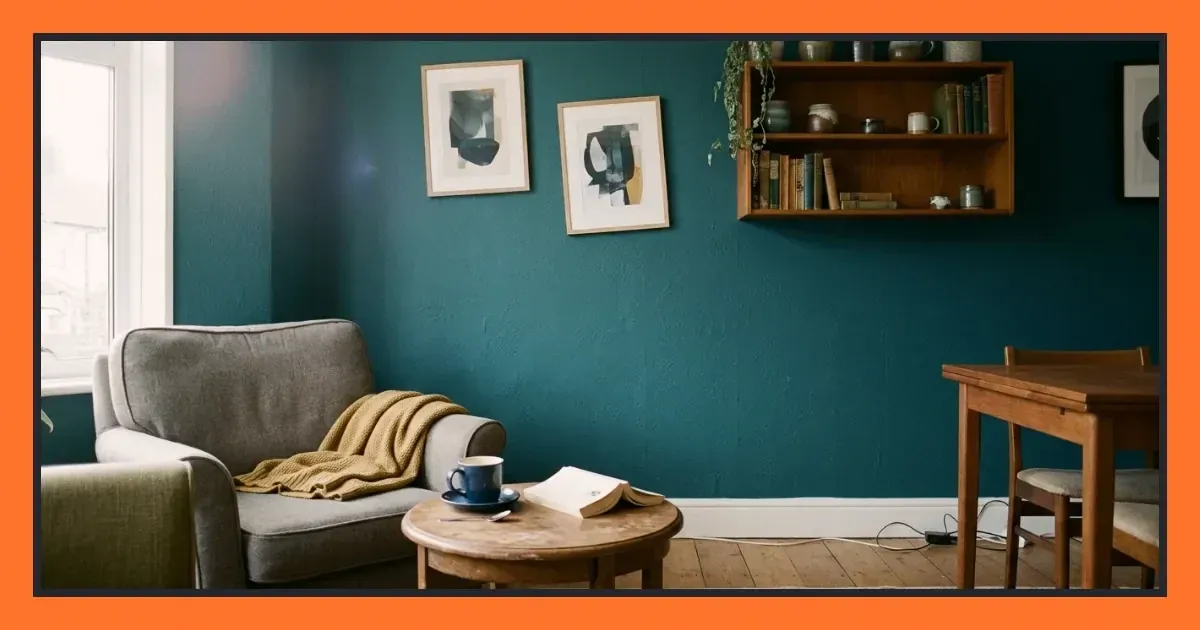
A feature wall is a single wall in a room treated differently from the others to draw attention and add visual interest. It breaks up uniformity, anchors furniture arrangements and gives you a place to experiment with bolder choices than you might use across an entire space. The rest of this guide explains where a feature wall works, what materials and techniques create one, and how to choose which wall to treat.
Definition and purpose
The term describes one wall that stands out. That difference can come from colour, material, pattern or texture — anything that makes the surface distinct from its neighbours. Some people use "accent wall" interchangeably, though accent wall often refers specifically to painted colour contrasts.
The purpose is threefold: to create a focal point, to add depth to a space and to let you introduce elements that would overwhelm if repeated. A dark shade, a busy pattern or an expensive material becomes manageable when confined to one surface. The feature wall also helps define zones in open-plan layouts, marking where one area ends and another begins.
Where a feature wall works
The wall behind a bed, sofa or dining table is a natural candidate. These are surfaces people face when using the room, so the treatment frames the activity. In a living room the wall behind the television or fireplace often takes the role, though covering both can feel heavy-handed — choose one.
Long, narrow rooms benefit from a feature wall on the shorter end, which visually pulls that surface forward and balances proportions. Avoid treating a wall that is already broken up by doors, windows or radiators unless you plan to incorporate them into the design; a busy architectural wall with a bold treatment can look restless.
Rooms with alcoves or recesses
An alcove is already a focal point. Treating the back wall of a recess with a different colour or wallpaper emphasises its depth and turns a structural quirk into a deliberate feature. This approach works particularly well in living rooms with chimney-breast alcoves and in bedrooms where built-in wardrobes create shallow recesses.
Paint and colour
Painting one wall a different colour is the simplest method. A darker or more saturated shade than the other walls creates contrast without requiring new materials or skills beyond cutting in neatly. The feature wall often picks up a colour already present in the room — in upholstery, rugs or artwork — which ties the scheme together.
You might look at colours that go together to understand which combinations feel intentional rather than accidental. In rooms where natural light is limited, a warm, mid-toned feature wall can add richness without making the space feel smaller, though very dark shades demand confident placement.
Finish and sheen
The paint finish itself can create the feature. A single wall in satin or gloss among matt-painted neighbours catches light differently and adds subtle distinction, particularly effective in hallways and dining rooms where you want the surface to feel considered but not loud. The higher the sheen, the more it reveals imperfections, so this approach works on walls in good condition.
Wallpaper and pattern
Wallpaper on one wall lets you use bold or intricate designs that would tire the eye if wrapped around the room. Geometric patterns, large-scale florals and textured prints all work, provided the paper's colours sit comfortably with the rest of the scheme. Peel-and-stick options reduce commitment and suit those in rented properties.
Pattern density matters. A design with a lot of detail benefits from surrounding plain walls that let it breathe. Where furniture sits against the papered wall, leave space above and to the sides so the pattern remains visible; a sofa that covers most of the surface wastes the effort.
Material and texture
Introducing a different material turns a wall into a tactile feature. Options include timber panelling, exposed brick, board-and-batten detailing, fabric panels and stone cladding. Each brings its own character: timber reads as warm and considered, brick as industrial or rustic depending on the room's other elements, stone as solid and calming.
Cost and skill requirements vary widely. Timber tongue-and-groove panelling and board-and-batten are manageable projects for a confident amateur, while stone and brick cladding often require professional fitting. Peel-and-stick tile sheets and self-adhesive wood panels offer texture without permanent alteration, useful in rentals or where you expect to change your mind.
Combining materials with colour
A textured wall painted in a contrasting colour combines both approaches. Panelling painted a shade darker than the surrounding walls creates depth through shadow and geometry. Exposed brick left natural or painted white offers texture while the colour choice adjusts how industrial or refined the feature feels.
Practical steps for planning your feature wall
- Stand in the room's main entrance and identify which wall you see first or face most often. That surface is usually the strongest candidate, particularly if it is unbroken by doors or large windows.
- Consider what sits against the wall. A bed, sofa or shelving unit should enhance the feature rather than obscure it. Measure furniture heights to ensure the treatment remains visible above.
- Test the material or colour in situ before committing. Paint a large sample board and prop it against the wall for a few days, observing it in morning and evening light. For wallpaper or panelling, source a sample and hold it in place.
- Check that the wall surface is sound. Fill cracks, sand rough patches and apply a fresh base coat if painting. Textured materials and wallpaper telegraph imperfections, so preparation matters more than on walls that will stay plain.
Feature wall compared to other treatments
| Approach | Visual impact | Cost range | Flexibility |
|---|---|---|---|
| Paint colour | Moderate to strong | Low | Easy to repaint |
| Wallpaper | Strong | Low to moderate | Removable, particularly peel-and-stick |
| Timber panelling | Strong, adds warmth | Moderate to high | Permanent unless removed |
| Exposed brick or stone | Very strong, architectural | High | Permanent structural change |
Common missteps and how to avoid them
Treating the wrong wall is the most frequent error. A wall crowded with windows, doors or built-in furniture lacks the continuous surface a feature needs. The eye has nowhere to rest, and the treatment fights the architecture rather than working with it.
Choosing a colour or pattern in isolation, without considering what already exists in the room, leads to schemes that feel disconnected. The feature wall should echo or complement existing tones rather than introduce an unrelated palette. If the room has warm wood furniture and terracotta upholstery, a cool grey feature wall can feel jarring unless deliberately bridged by accessories.
Overcomplicating a small room is another pitfall. A bold feature wall in a compact space works when the design has breathing room, but pairing it with heavy furniture, multiple patterns and dense window treatments makes the room feel cluttered. In tight spaces, restraint elsewhere lets the wall do its work. For more on managing small areas, see choosing a sofa for a small living room.
Adjusting the approach for different rooms
In bedrooms the wall behind the headboard is standard, creating a backdrop that frames the bed. This placement works because you rarely face that wall directly, so a bold treatment feels enveloping rather than confronting. Wallpaper with a large pattern or a deep paint colour both suit here.
Living rooms offer more flexibility. The wall behind the sofa, the chimney breast or the surface facing the seating area all work, depending on layout. Open-plan spaces can use a feature wall to signal where the living zone ends and the dining area begins, particularly effective with a change in material rather than just colour.
Hallways and landings benefit from feature walls that add character to spaces often left plain. A narrow hallway with a painted or papered end wall draws the eye forward and makes the corridor feel intentional. Staircases with a wall running alongside can take bold wallpaper or panelling that would overwhelm a smaller, fully enclosed room.
Kitchens and bathrooms
In kitchens a tiled splashback often functions as a feature wall, though it is usually partial rather than floor-to-ceiling. Where one wall is free of units, painting it a strong colour or using moisture-resistant wallpaper creates contrast against fitted cabinetry. Bathrooms follow the same logic: the wall behind a freestanding bath or opposite the door works well, provided the material suits damp conditions.
Maintaining balance across the room
A feature wall succeeds when the rest of the room supports it without competing. That means keeping other walls neutral and limiting additional bold gestures. If the feature wall carries a busy pattern, upholstery and rugs should be plain or subtly textured. Conversely, a simple painted feature wall can sit comfortably alongside patterned soft furnishings, as long as the colours relate.
Scale matters too. In a large room with high ceilings, a feature wall needs enough presence to register from a distance — either through strong colour contrast, large-scale pattern or substantial material like full-height panelling. In a small room the same treatments can dominate, so lighter contrasts and finer details often work better. The principles in the 60-30-10 rule help judge whether the proportions feel right.
Rethinking and changing a feature wall
A feature wall that no longer works is not a permanent problem. Paint can be covered with a fresh coat, wallpaper removed or painted over, and many modern panelling systems are designed to be reversible. Before committing to removal, consider whether the issue is the treatment itself or how the room around it has changed.
Furniture rearrangement sometimes solves the problem. A feature wall that feels wrong might simply be obscured by a poorly placed sofa or bookcase. Moving key pieces so the wall becomes visible again can restore its purpose. When the treatment itself is the issue, small adjustments often suffice: repainting panelling in a lighter shade, switching out bold wallpaper for a neutral texture or adding a large piece of artwork to anchor a plain painted wall.
Taking the first step
Choosing one wall to treat differently is a contained way to change how a room feels. It gives you permission to be bolder than you might be otherwise, because the commitment is limited and the risk manageable.
Start by observing the room as it is now. Which wall do you face most often? Which surface already has visual weight because of what sits in front of it? Those answers will point you towards the right place. From there, the decision between paint, paper or material depends on how much change you want, what the budget allows and whether you are working with a space you own or rent.
The mechanics are straightforward once the wall is chosen. The hesitation is usually in making the choice at all, but a feature wall that does not quite work can be changed more easily than most decorating decisions. That room is waiting for something to give it shape, and one well-treated wall is often all it needs.
#Feature wall #Accent wall #Paint colour #Wallpaper
Download PDF: Feature wall planning checklist PDF, 28 KB
Further reading
Frequently asked questions
What is the difference between a feature wall and an accent wall?
The terms are often used interchangeably, though accent wall typically refers to a single wall painted a different colour from the rest, while feature wall is broader and can include wallpaper, panelling, brick, stone or any material that makes one wall distinct from the others.
How do I choose which wall should be the feature wall?
Look for the wall you face most often when using the room, or the one behind key furniture such as a bed, sofa or dining table. Avoid walls broken up by multiple doors or windows unless you plan to incorporate them into the design, as these surfaces lack the continuous area a feature needs.
Can a feature wall make a small room feel smaller?
A dark or heavily patterned feature wall can make a small room feel cosier rather than smaller if the wall is well chosen and the rest of the room is kept simple. Treating a shorter wall in a narrow room can actually improve proportions by drawing that surface forward visually.