Finding your interior decorating style
 Save
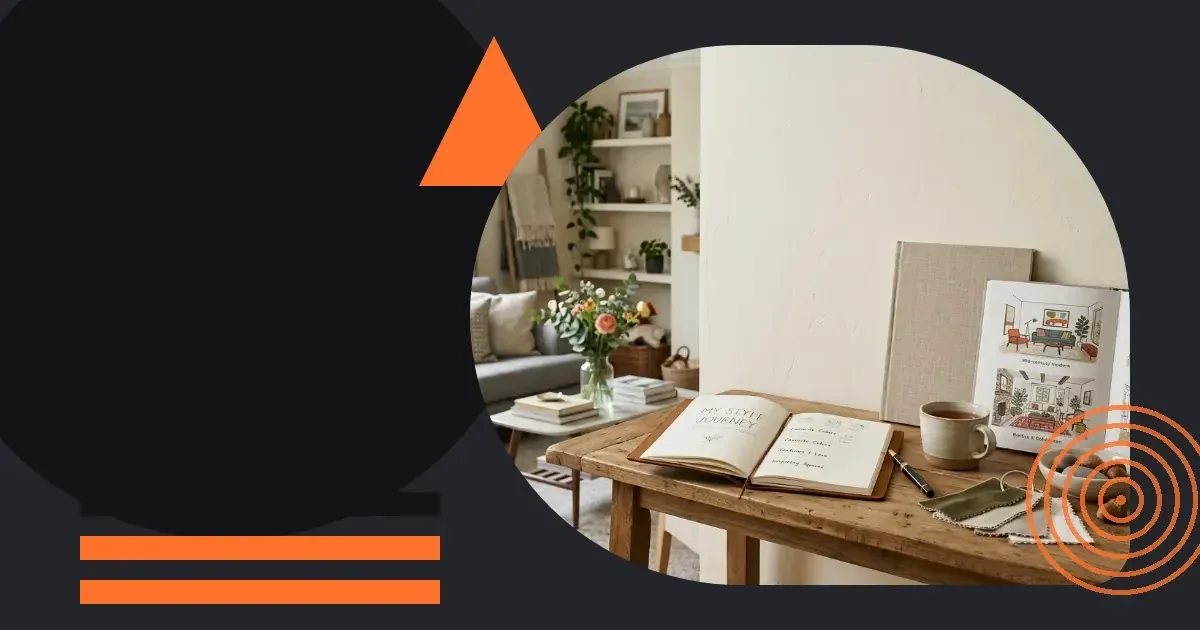
Your home reflects how you live, and the decorating choices you make should feel natural rather than forced. Nyde offers this short guide to help you identify which style direction suits your habits, preferences and the way you use your rooms.
Colour preferences and their meaning
The palette you reach for reveals more than taste. Muted tones—soft greys, pale blues, warm whites—suggest a preference for calm, uncluttered spaces where nothing competes for attention. These shades work well in rooms meant for rest or focused work.
Bold, saturated colours—deep greens, burnt orange, navy—point toward a more expressive approach. They suit spaces where personality matters more than neutrality, and where a room's character comes from deliberate contrast rather than gentle harmony.
Earthy tones—terracotta, ochre, sage—indicate a connection to natural materials and textures. This palette pairs with wood, stone and linen, creating warmth without relying on pattern or ornament.
Texture and material choices
Smooth, polished surfaces—glass, lacquer, metal—define a streamlined aesthetic. Rooms built around these materials feel open and easy to maintain, with little visual noise and a focus on form over decoration.
Layered textures—woven throws, rough-hewn timber, unglazed ceramics—create a tactile environment. This approach values the handmade and the imperfect, where each object carries a sense of weight and origin.
A mix of both suggests flexibility: clean lines softened by a few carefully chosen textured pieces. This balance works for people who want clarity without coldness, and comfort without clutter.
Pattern and ornament
Minimal pattern keeps a room from feeling busy. Plain fabrics, simple geometrics and the occasional stripe let furniture shape and architecture lead. This direction suits those who find visual rest more important than decorative detail.
Abundant pattern—florals, bold prints, intricate tile—brings energy and individuality. It requires confidence to combine, but when done well it creates rooms that feel lived-in and expressive from the first glance.
Selective pattern—one statement wallpaper, a single patterned rug—offers a middle path. The rest of the room stays neutral, letting that one element define the space without overwhelming it.
Furniture and layout
Low-profile furniture with clean lines suits open-plan living and smaller spaces. Pieces sit close to the floor, creating an uninterrupted sightline and a sense of space even when the room is furnished.
Statement pieces—a large dining table, an oversized armchair, a substantial shelving unit—anchor a room and dictate how the rest of the space is arranged. This approach works when you have one or two items you want to build around.
Modular and movable furniture reflects a flexible lifestyle. Lightweight chairs, nesting tables and pieces that serve more than one purpose let you adapt a room to different needs without a full rearrange.
Lighting and atmosphere
Bright, even lighting throughout a room creates clarity and makes tasks easier. It suits kitchens, workspaces and anywhere function matters more than mood.
Layered lighting—table lamps, floor lamps, dimmer switches—lets you change a room's feel according to the time of day or the activity. This approach requires more planning but offers far greater control over atmosphere.
Natural light as the primary source shapes the entire room. Furniture and colour choices revolve around maximising daylight, with minimal artificial lighting used only when necessary.
Objects and display
Surfaces kept clear suggest a preference for order and a dislike of visual clutter. Storage is hidden, and the few objects on display are there for a reason—function or a single carefully chosen piece.
Collections on show—books, ceramics, prints—turn a room into a personal gallery. Open shelving, picture rails and mantels become part of the decorating itself, and the objects change over time as interests shift.
Rotating displays offer a compromise. A shelf or sideboard holds a small, curated selection that changes with the season or your mood, keeping the space fresh without permanent commitment.
Maintenance and practicality
Hard-wearing materials—vinyl flooring, washable paint, stain-resistant fabrics—suit busy households or anyone who values ease over aesthetics. This is decorating that serves life as it is, not as it might be in a photograph.
Delicate finishes—silk cushions, pale upholstery, unsealed wood—require care and attention. They suit quieter homes or rooms used infrequently, where the risk of damage is low and the effort feels worthwhile.
A practical base with a few precious elements balances the two. Floors, walls and large furniture are chosen for durability, while smaller items—a throw, a vase, a single chair—bring beauty without fragility.
Related guides
Once you have a sense of direction, the following articles offer practical next steps:
- Space and light: making a small bedroom feel larger
- Creating a reading nook that works for you
- Arranging a bookshelf that balances function and display
- Accent walls: what they are and whether you need one
- Understanding biophilic design
Disclaimer: This site provides general information about interiors and decorating. It does not sell goods or services, and the guidance offered reflects editorial perspective rather than professional design advice.
Frequently asked questions
How do I know which decorating style suits me?
Look at the colours, textures and furniture shapes you gravitate toward in everyday life. Your existing habits—whether you prefer clear surfaces or displayed collections, bright light or layered lamps—reveal more than any style label.
What is the difference between minimalist and streamlined interiors?
Minimalist interiors focus on reducing objects and ornament to the essentials, often with a philosophical bent. Streamlined interiors prioritise clean lines and ease of maintenance without necessarily eliminating decoration or personal items.
Can I mix different decorating styles in one home?
Yes, and many homes benefit from it. A consistent palette or a repeated material—wood tone, metal finish, a single accent colour—can tie together rooms that differ in style, as long as each space serves its purpose comfortably.
Jack Dean