Osvald furniture and the appeal of Nordic restraint
 Save
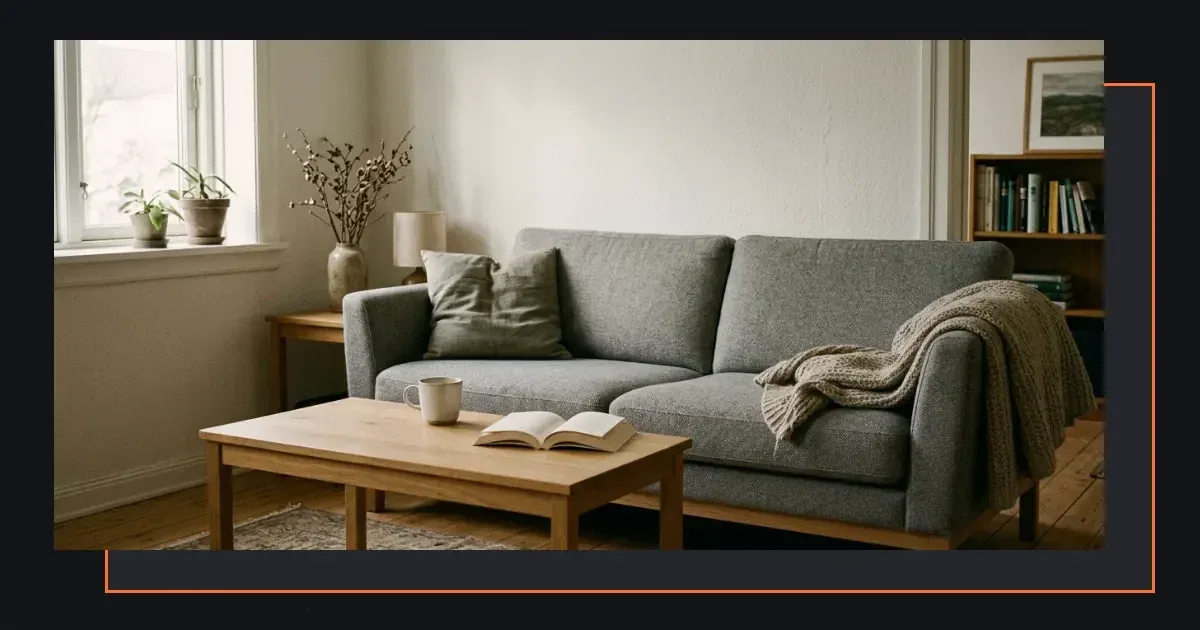
Osvald represents a particular strand of Scandinavian furniture design: pieces built around honest materials, minimal ornamentation and forms that last beyond one season. Nyde explores what defines this aesthetic, how it fits into contemporary interiors and the practical considerations when choosing furniture shaped by this tradition.
The defining characteristics
Osvald furniture is recognisable by its use of solid timber, often oak or ash, left close to its natural state. Finishes tend toward oil or soap rather than lacquer, preserving the grain and allowing the wood to age visibly. Joints are exposed rather than concealed, and hardware is kept to a minimum. The result is furniture that shows how it was made.
Proportions favour clean lines and geometric simplicity. A dining chair might consist of four turned legs, a flat seat and a curved backrest, each element doing one job. Storage pieces are rectangular, with flush or recessed handles. Upholstery, where present, uses linen, wool or leather in neutral tones.
How this style developed
The aesthetic draws from early twentieth-century Nordic craft movements that valued function, durability and accessible production. Makers sought to strip away excess, leaving only what served the user. Post-war Scandinavian designers refined these ideas, combining traditional joinery with industrial materials and processes.
Osvald continues that lineage, balancing hand-finishing with modern manufacturing. The focus remains on longevity: furniture designed to be repaired rather than replaced, with components that can be disassembled and joints that withstand decades of use.
Materials and their behaviour over time
Solid hardwoods dominate. Oak darkens slightly with age and develops a patina where hands make contact. Ash remains lighter but shows similar wear patterns. Both species are dense enough to resist dents from everyday use, though neither is immune to scratches.
Oiled finishes require periodic maintenance. Surfaces may need re-oiling annually in high-traffic areas, less often elsewhere. Soap finishes lighten the wood and offer some water resistance, but they demand regular cleaning with a specific soap solution. Untreated timber will grey if exposed to sunlight, which some prefer and others avoid by repositioning pieces or using window coverings.
Integrating Osvald pieces into existing rooms
The restraint of Osvald furniture means it pairs well with busier elements elsewhere in a room. A plain oak dining table grounds a space where patterned textiles, colourful art or varied lighting fixtures provide visual interest. Conversely, a room furnished entirely in this style risks feeling austere unless softened by plants, books or everyday objects.
Scale matters. Osvald pieces are often lower and wider than their traditional British counterparts. A sideboard may sit closer to the floor, making tall ceilings feel higher. Chairs with splayed legs occupy more floor space than upright models, which affects how many fit around a table.
Consider the interplay of wood tones. Mixing species—oak with walnut, ash with beech—adds depth, but the finishes should be consistent. An oiled oak table beside a lacquered walnut cabinet creates a jarring contrast.
Practical considerations before purchase
Weight is one factor. Solid-timber construction means a dining table or bookcase may require two people to move safely. Disassembly options exist on some designs, worth confirming before delivery if you anticipate relocating or live in a building with narrow stairs.
Lead times vary. Mass-produced lines ship within weeks; bespoke or made-to-order pieces may take several months. Ask about the workshop's current schedule and whether deposit terms protect you if delays extend beyond the quoted window.
Maintenance requirements should match your willingness to upkeep. If annual re-oiling feels like a burden, choose a soap finish or consider whether another material suits your routine better. Untreated timber offers the lowest maintenance—no finish to renew—but the appearance changes more noticeably over time.
Where Osvald fits within broader interior choices
This approach complements several other design traditions. It shares craft principles with Arts and Crafts furniture, though the forms are simpler. It aligns with mid-century modernism in its functional clarity, but relies more on natural materials than moulded plywood or metal. It overlaps with contemporary minimalism, yet retains visible warmth through timber grain and hand-finished details.
Understanding those connections helps when sourcing other elements. Lighting from the same design lineage—pendant shades in fabric or ceramic, floor lamps with slender stems—reinforces the aesthetic. Textiles with subtle texture or understated pattern (linen stripe, wool herringbone) add softness without competing for attention.
Related reading
Other articles on Nyde explore adjacent topics. Space and light: making a small bedroom feel larger considers how furniture scale and placement affect perception of room size. Arranging a bookshelf that balances function and display addresses the practical and visual aspects of storage, relevant when integrating shelving units into a restrained interior. Understanding biophilic design examines the role of natural materials and organic forms indoors, themes that align with Osvald's material choices.
Final thoughts
Osvald furniture rewards those willing to live with pieces that age visibly and demand occasional care. The aesthetic is not neutral—it signals specific values around craft, durability and restraint—but its simplicity allows flexibility in how you build a room around it. Assess your own maintenance habits, measure your spaces carefully, and choose pieces that will serve you beyond the next redecoration.
This page is for general information only. We do not sell goods or services.
Frequently asked questions
What makes Osvald furniture different from other Scandinavian brands?
Osvald emphasises exposed joinery, minimal hardware and solid timber left close to its natural state, with finishes that show age rather than conceal it. The focus is on visible craft and long-term durability.
How often does oiled furniture need re-finishing?
High-traffic surfaces such as dining tables may need re-oiling annually. Lower-use pieces like sideboards or bedroom furniture require attention less frequently, perhaps every few years depending on wear.
Can Osvald pieces work in a traditional British interior?
Yes, though the restrained forms and lower proportions create contrast with ornate mouldings or heavy drapery. Pairing one or two Osvald pieces with traditional elements can introduce lightness; filling an entire period room may feel incongruous unless other updates are made.
Jack Dean