Fireplace ideas for your home
 Save
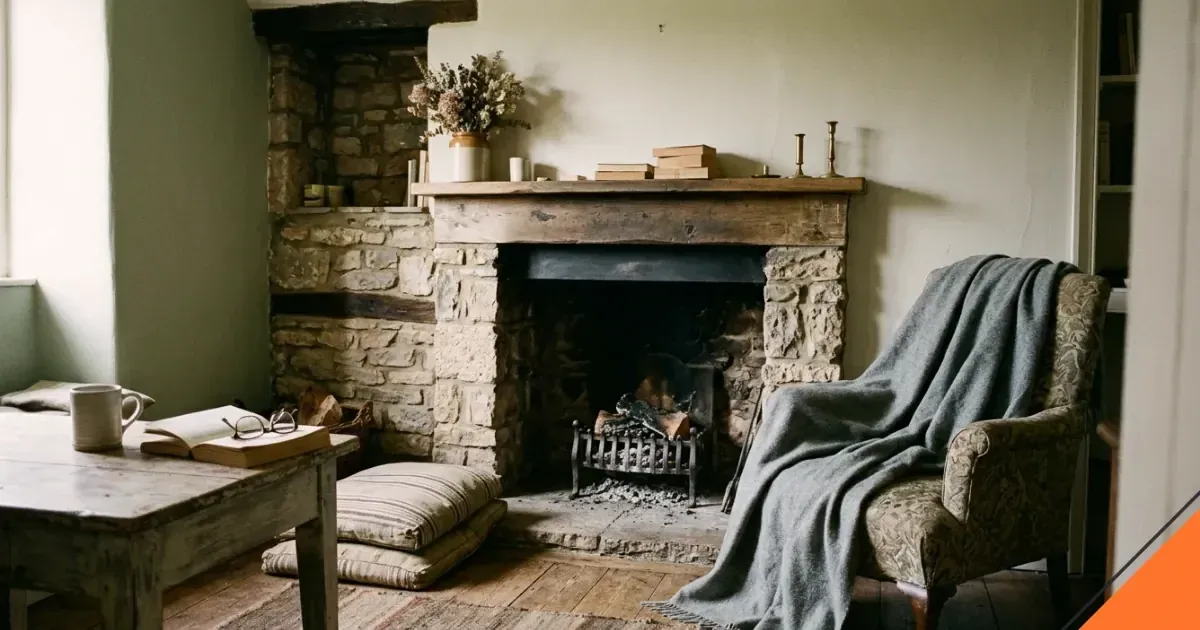
A fireplace shapes the atmosphere of a room in ways few other elements can match. Whether you are working with an existing structure or planning a new installation, the choices you make about style, materials and placement will influence how the space feels and how people move through it. This guide from Nyde walks you through the considerations that matter most when thinking about fireplaces in your home.
Traditional and period styles
Traditional fireplaces carry the character of the periods they represent. A Georgian surround, for example, brings symmetry and proportion through its clean lines and classical detailing, often in marble or painted timber. Victorian designs introduce more ornament—cast iron inserts with decorative tiles, carved wooden mantels and deeper relief work that reflects the era's taste for richness.
The key to working with period styles is understanding the room's proportions. A large surround can overwhelm a small space, while a delicate mantel may disappear in a high-ceilinged room. Look at the scale of your existing architectural features—skirting boards, cornicing, door frames—and choose a fireplace that echoes their weight and detail level.
Salvaged and reclaimed pieces offer authenticity, though condition varies widely. Check for cracks in stone or marble, test that cast iron sections fit together properly, and consider whether restoration work will be needed before installation.
Contemporary and minimalist approaches
Modern fireplaces often strip away ornamentation in favour of clean geometry and material honesty. A simple opening cut into a chimney breast, lined with steel or left as exposed brick, becomes a focal point through restraint rather than decoration. Freestanding wood burners on hearth pads create defined zones without permanent structure, useful in open-plan layouts where flexibility matters.
Materials range from honed concrete and blackened steel to large-format porcelain slabs that continue from floor to ceiling. The fireplace becomes part of a larger surface rather than a separate feature, which works well when you want the room's other elements—furniture, art, windows—to take precedence.
Bioethanol and electric models suit contemporary interiors where a flue is impractical. They provide flame effect and some heat without the need for chimney work, though neither delivers the output or ambience of a wood or gas fire.
Flush and frameless installations
Frameless designs sit flush with the wall plane, their edges meeting plaster or cladding with minimal reveal. The effect is architectural rather than decorative, drawing attention to the fire itself. Installation requires precise planning—the void behind the wall must accommodate the firebox and allow for ventilation, and finishes must be heat-resistant and neatly detailed at the opening.
Materials and their practical implications
Stone brings durability and thermal mass. Limestone weathers to a soft patina, granite resists staining and heat with little maintenance, and slate offers a fine grain and range of dark tones. Each needs appropriate fixing—stone surrounds are heavy and require solid walls or dedicated support.
Timber mantels add warmth and texture but must be positioned at a safe distance from the firebox. Building regulations specify minimum clearances; check these before commissioning joinery. Painted timber suits period rooms, while oiled or waxed hardwoods complement rustic and country styles.
Metal—whether cast iron, steel or copper—conducts heat efficiently and suits both traditional and modern schemes. Cast iron holds detail well and patinas over time. Steel can be left raw to rust or treated with oil, wax or paint. Copper develops verdigris unless sealed, a finish some prefer for its living quality.
| Material | Character | Maintenance need |
|---|---|---|
| Limestone | Soft, pale, classical | Sealing recommended; marks over time |
| Slate | Fine-grained, dark, modern or traditional | Minimal; occasional oiling |
| Cast iron | Detailed, robust, period or industrial | Black lead or stove paint |
| Painted timber | Warm, decorative, period | Repainting as required |
| Steel | Clean, industrial, contemporary | Depends on finish; raw steel rusts |
Placement and room layout
A fireplace traditionally anchors one wall, with seating arranged to face it. In open-plan spaces, consider whether the fireplace will be visible from multiple areas or serve as a divider between zones. A double-sided unit, for example, can separate a living area from a dining space while providing warmth and visual interest to both.
Corner fireplaces make efficient use of awkward room shapes and can free up wall space for other furniture. They work best when the corner is genuinely underused; forcing a fireplace into a tight corner for the sake of novelty often results in uncomfortable furniture arrangements.
Hearth depth and mantel projection affect traffic flow. Measure the path between the fireplace and opposing furniture or doorways—tight clearances make a room feel cramped and increase the risk of accidental contact with hot surfaces.
Off-centre and asymmetric arrangements
Placing a fireplace away from the centre of a wall can balance other architectural features—a large window, for instance, or built-in shelving on the opposite side. Asymmetry requires careful furniture planning to avoid the room feeling lopsided, but it offers flexibility in how you zone the space and where you position key pieces.
Mantel styling and display
The mantel offers a horizontal surface for objects, but restraint often reads better than abundance. A single large piece—a mirror, painting or sculpture—anchors the space without clutter. Smaller objects work when grouped in odd numbers and varied in height, though too many items compete for attention and muddy the room's focal point.
Consider sightlines from seating. What looks balanced from across the room may feel crowded when you are sitting directly opposite. Step back and view the arrangement from where you will spend most of your time.
Seasonal changes offer a reason to refresh the display. Branches, foliage or simple ceramics bring subtle shifts in texture and colour without permanent commitment. Avoid arrangements that encroach on the firebox opening or block heat circulation.
Lighting and ambience
Firelight alone is rarely sufficient for a room's practical needs, but it sets a mood that static lighting cannot replicate. Plan ambient and task lighting separately, then layer in accent lights—picture lights, uplighters, concealed strips—that enhance the fireplace's role without overwhelming it.
When the fire is unlit, the firebox becomes a dark void. Some people fill it with candles, logs or decorative objects; others prefer to leave it empty and let the surround stand on its own merit. Backlighting the recess with a low-voltage strip creates subtle depth without fuss.
Fuel type and practical considerations
Wood fires deliver the most engaging flame and the scent many associate with home comfort, but they require seasoned logs, regular ash removal and annual chimney sweeping. Smokeless coal burns longer and hotter, though the fire takes longer to establish and the fuel is heavier to handle.
Gas fires offer convenience—instant ignition, controllable heat, no ash—at the cost of some atmosphere. Modern gas fires mimic log and coal effects with varying success; the best are convincing from a distance, though close inspection reveals the artifice.
Electric fires need only a plug socket and suit rental properties or homes without chimneys. Heat output is modest and the flame effect is simulated, but installation is straightforward and maintenance minimal.
- Assess your existing structure: determine whether you have a working chimney, a capped flue or no flue at all, as this dictates which fuel types are practical without major building work.
- Measure the room and the wall: record ceiling height, chimney breast width and depth, and the distances between the fireplace location and doors, windows and fixed furniture.
- Choose your style and material: select a surround and hearth that suit the room's character and your maintenance preferences, checking that dimensions and weight are compatible with your walls.
- Plan the installation: hire qualified professionals for gas and flue work, and verify that any changes comply with building regulations and, if relevant, listed building consent.
- Arrange your furniture: position seating to face or angle toward the fireplace, leaving clear circulation routes and ensuring that the mantel display is visible from where you sit.
Related reading
If you are thinking about how a fireplace fits within a broader design scheme, you might find these guides useful. Space and light: making a small bedroom feel larger explores proportions and sightlines, while Accent walls: what they are and whether you need one covers focal points and material choice. For shelving and display adjacent to a fireplace, Arranging a bookshelf that balances function and display offers practical advice on composition and restraint.
Disclaimer: This article is provided for general information purposes only. Nyde does not sell goods or services.
Frequently asked questions
What is the best fireplace style for a small living room?
A simple, unadorned surround in a pale material keeps the room feeling open, while a freestanding wood burner on a hearth pad avoids heavy masonry that can overwhelm tight spaces. Avoid deep mantels and ornate detailing that project far into the room.
How do I choose between wood and gas for a new fireplace?
Wood offers the most authentic flame and scent but requires storage, regular cleaning and chimney maintenance. Gas provides instant heat and easy control with minimal upkeep, though the flame effect is less engaging and installation costs are higher.
Can I install a fireplace if my home has no chimney?
Yes, though your options depend on the work you are willing to undertake. A twin-wall flue system allows wood or gas fires without a traditional chimney, while bioethanol and electric models need no flue at all and can be installed almost anywhere.
Jack Dean