Three-seater sofas: proportion, placement and material
 Save
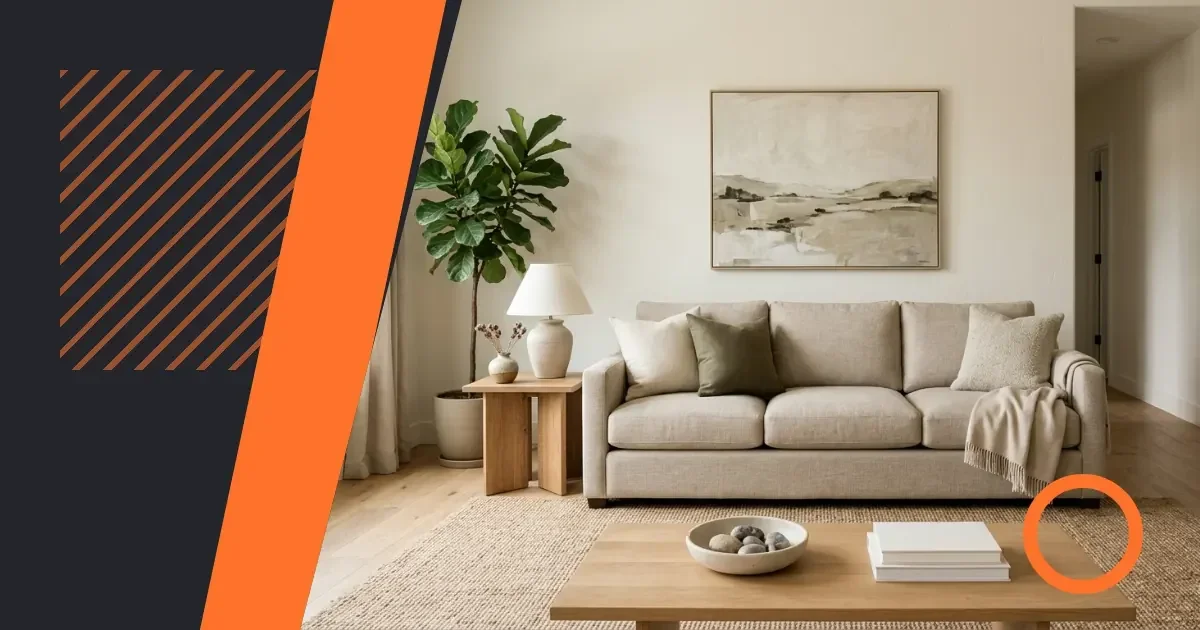
A three-seater sofa anchors a living room or sitting area, offering enough space for several people without overwhelming most floor plans. Nyde walks through the measurements that matter, the layout decisions that follow and the fabrics that hold up to everyday life.
Depth and seat height
Seat depth determines whether you perch or sink. A shallow seat of around fifty-five to sixty centimetres suits formal rooms and upright posture. Deeper seats, sixty-five centimetres or more, let you tuck your legs under and lean back with cushions.
Seat height affects how easily you stand. A higher seat, forty-five centimetres from the floor, works for older households. Lower frames, closer to forty centimetres, suit a relaxed aesthetic but require stronger legs to rise.
Arm styles and their footprint
The arm adds ten to twenty centimetres at each end. Scroll arms and rolled designs claim more width than track arms or no-arm frames. Measure wall to wall before choosing: a sofa with generous arms may block a radiator or push a side table too far from reach.
Narrow arms open up the seat width. A two-hundred-centimetre frame with slim track arms offers more sitting room than the same length with padded scroll ends.
Room proportion
A three-seater works in rooms above three metres wide. Below that, the sofa dominates and leaves little space for circulation. In narrow rooms, place the sofa against the longest wall rather than floating it; floating requires at least sixty centimetres of clearance behind.
Leave ninety centimetres between the sofa front and any coffee table. Less than that and you squeeze past rather than walk. More than one hundred and twenty centimetres and reaching for a cup becomes a stretch.
Fabric durability and maintenance
Woven fabrics such as linen and cotton soften with age but stain easily. Treated finishes repel liquid for a few minutes, long enough to blot; untreated cloth absorbs spills immediately.
Performance fabrics—polyester blends, solution-dyed acrylics—resist fading and clean with water and mild soap. They feel less natural to the touch but handle homes with children, pets or frequent use without showing wear.
Leather toughens over time. Aniline leather develops a patina and scratches visibly; pigmented leather hides marks beneath a protective layer. Both need conditioning twice a year to prevent cracking.
Frame construction
Hardwood frames—oak, beech, ash—last decades. Softwood and engineered wood reduce cost but sag sooner under weight. Check the corner joints: screwed and glued blocks outlast staples.
Serpentine springs, the S-shaped wires running front to back, give firm support. Eight-way hand-tied coils feel more forgiving but add expense. Webbing alone, without springs, flattens within a few years.
Modular three-seaters and sectional options
Some three-seaters split into a two-seater and a chair, or accept a chaise unit at one end. Modular designs let you reconfigure as rooms change, but the seams between sections collect crumbs and show gaps if the units shift.
Fixed frames hold their shape and cushion alignment. Once positioned, they rarely move, which suits households that settle on one layout and leave it.
Cushion fill and comfort over time
Foam cushions hold their shape but firm up in cold rooms. High-density foam, measured above thirty kilograms per cubic metre, resists sagging. Lower-density foam softens faster.
Feather and down cushions need daily plumping. They mould to your body and feel softer than foam, but feathers migrate and poke through cheaper ticking. A feather wrap over a foam core offers support with some give.
Fibre fills—polyester clusters—sit between foam and feather in cost and feel. They compress more than foam and need refluffing, but they avoid the allergens and expense of down.
| Fill type | Maintenance | Longevity |
|---|---|---|
| High-density foam | None | Ten years or more |
| Feather and down | Daily plumping | Fifteen years with care |
| Polyester fibre | Weekly reshaping | Five to seven years |
| Foam and feather wrap | Occasional plumping | Eight to ten years |
Leg height and cleaning underneath
Legs lifting the frame ten centimetres or higher let a vacuum nozzle pass underneath. Lower legs or plinths trap dust; you pull the sofa out every few months to clean behind it, which scratches floors unless you lift rather than drag.
Exposed legs in wood or metal lighten the visual weight. Skirted bases conceal the underside but add fabric that collects pet hair and shows wear at the hem.
Related reading
- Cushion arrangement for your sofa — balancing colour, size and texture across the seat
- Space and light: making a small bedroom feel larger — principles that apply to any room where furniture scale matters
- Accent walls: what they are and whether you need one — using a feature wall to frame a sofa or break up a long room
Disclaimer: This article is for general information only. Nyde does not sell furniture or offer interior design services.
Frequently asked questions
How do I know if a three-seater sofa will fit my living room?
Measure your room width and subtract space for circulation—at least sixty centimetres on each side. The sofa should leave ninety centimetres in front for a coffee table and walking space. Rooms narrower than three metres may feel cramped with a full three-seater.
What is the difference between seat depth and overall depth?
Seat depth is the distance from the front edge to the backrest, typically fifty-five to seventy centimetres. Overall depth includes the backrest thickness and any rear cushions, adding another twenty to thirty centimetres. Check both when planning clearance behind the sofa.
Which fabric lasts longest with children and pets?
Performance fabrics—polyester blends and solution-dyed acrylics—resist stains and clean easily with water. Pigmented leather hides scratches better than aniline leather. Avoid untreated linen and cotton, which absorb spills quickly.
Jack Dean